The 2026 World Cup kicks off on 11 June. Over the next few weeks, millions of people around the world will sit down with friends, family and colleagues to watch their teams play.
However, for the LGBT+ citizens of 11 of the 48 participating countries, life is rarely filled with such joy and support. Expressing their sexual orientation and acknowledging whom they love could result in imprisonment and even, in some cases, execution. They may feel unable to share their true feelings with even their closest friends or relatives.
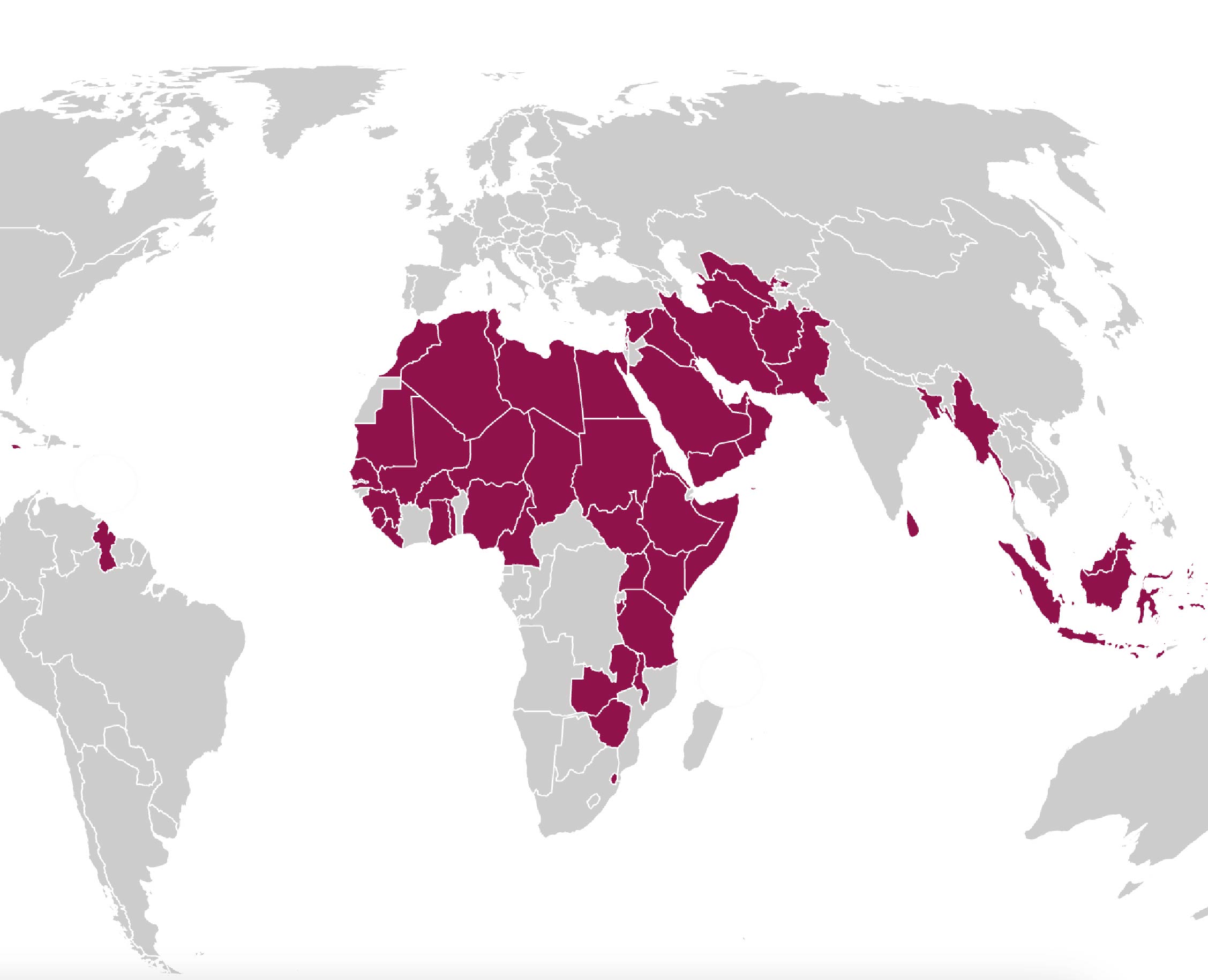
These are the countries which maintain laws criminalising homosexuality and the maximum penalties that can be imposed (click on each country profile to see more information):
Algeria – three years’ imprisonment
Egypt – three years’ imprisonment
Ghana – three years’ imprisonment
Iran – death
Iraq – fifteen years’ imprisonment
Morocco – three years’ imprisonment
Qatar – death by stoning
Saudi Arabia – death
Senegal – ten years’ imprisonment
Tunisia – three years’ imprisonment
Uzbekistan – three years’ imprisonment
In March this year, Senegal doubled the penalty for same-sex intimacy from five to ten years’ imprisonment. Just last month, Ghana’s Parliament voted for far-reaching anti-LGBT+ legislation. This has not been signed into law but, if it is, will penalise people for simply identifying as LGBT+, as well as targeting citizens who support LGBT+ friends, families or colleagues. There is a worrying rollback of LGBT+ human rights in many parts of the world.
On 26 June, the US city of Seattle will welcome a ‘Pride Match’ between Egypt and Iran to coincide with the city’s Pride celebration that same weekend and the anniversary of the Stonewall Riots. Both teams are representing criminalising countries, with one having a maximum sentence of death for consensual same-sex intimacy.
Justice for LGBT+ people and the right to a life with dignity are possible. The Human Dignity Trust’s History of LGBT Criminalisation charts the course of criminalisation and decriminalisation worldwide over past centuries. Scroll through the timeline from the first recorded prohibition in the ecclesiastical courts of 13th-century England, through to Peru becoming the first state to decriminalise same-sex intimacy in 1924. More than a dozen countries, including Barbados, Namibia and Singapore, have decriminalised in the last decade alone.
Notes to editors
- Visit the Human Dignity Trust’s History of LGBT Criminalisation timeline.
- Learn more about the criminalisation of same-sex intimacy globally through our Map of Jurisdictions that Criminalise LGBT People.
- The Human Dignity Trust works with LGBT+ activists and lawyers around the world to defend human rights in countries where private, consensual, same-sex sexual activity is criminalised. We provide free technical legal assistance to local organisations and lawyers who challenge criminal laws that persecute people based on their sexual orientation and/or gender identity.
For more information, contact:
James Aldworth, Communications Manager, Human Dignity Trust
E: [email protected]
T: +44 (0)7394 805140
X / LinkedIn / Instagram / Facebook / Bluesky / YouTube