As we mark Transgender Awareness Week and Transgender Day of Remembrance, I’m reminded once again just how important this time of year is for trans and non-binary people across the world.
Transgender Awareness Week is about uplifting trans and non-binary voices. It’s a time to educate, to bring awareness and to remind people that we are here, we exist and we are part of society. It’s a moment to highlight our stories and celebrate our community. Transgender Day of Remembrance, however, is a very solemn day for me. It is when I remember all those who have been subjected to violence throughout the year. I pause and reflect on the reality that the world is not always a safe or welcoming place for people like us. Many of our community face violence, abuse, and heartbreakingly, some lose their lives simply for existing.
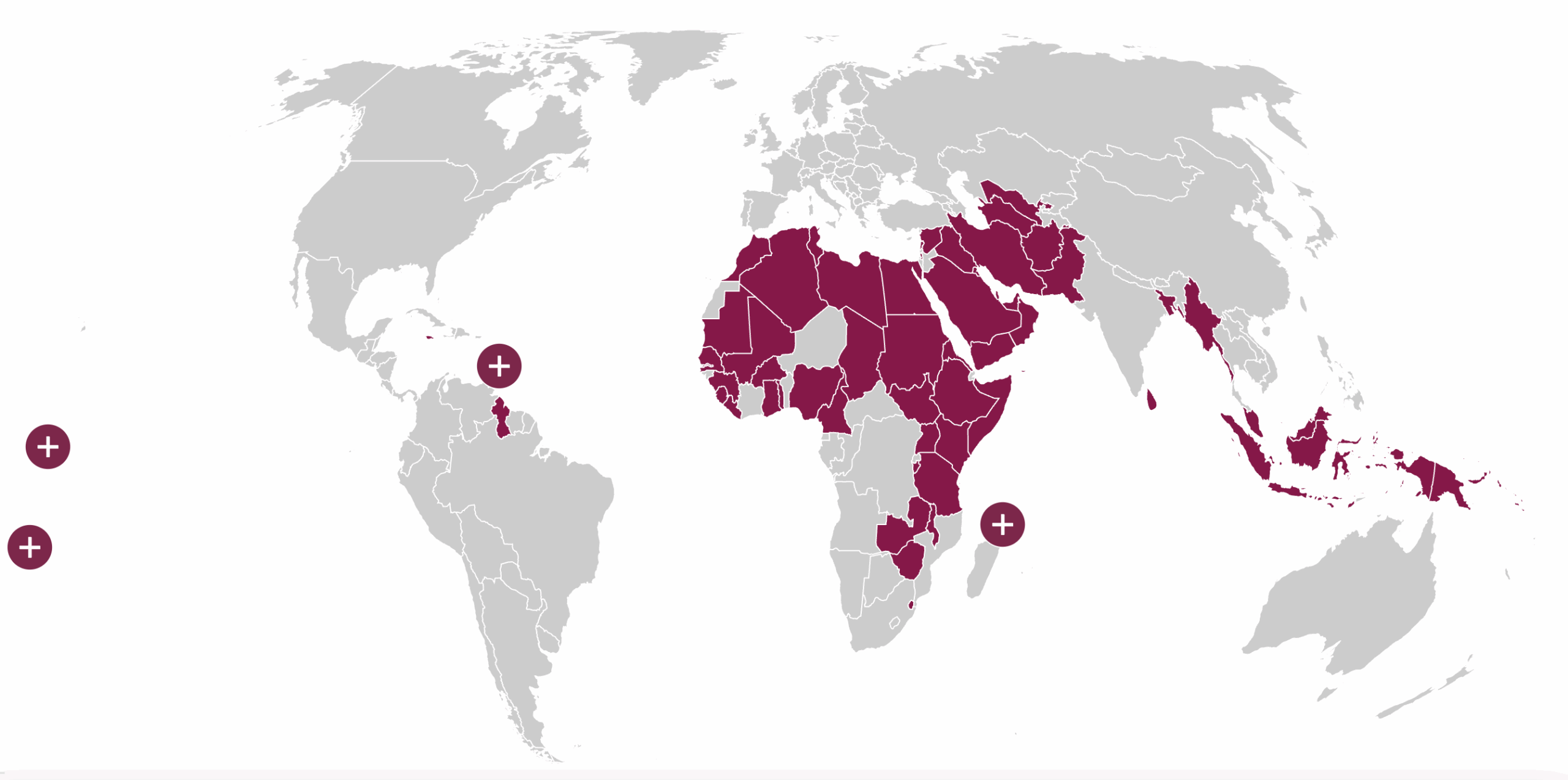
We’re seeing an increasing global backlash in many countries against LGBTQI+ people, especially trans and non-binary people. At least 13 jurisdictions still impose criminal sanctions specifically against people whose gender expression does not align with their sex assigned at birth.
Trans and gender-diverse people are criminalised globally in a complex and multifaceted way, cutting across regional, religious and cultural borders. The abuse reported by trans and gender-diverse people includes blackmail, extortion, public humiliation, and physical and sexual violence. This happens both in countries with laws used to criminalise us, and in countries without such provisions.
For me, these are the key statistics that highlight a stark truth: in many places, the mere act of being ourselves, expressing our gender identity authentically, leads to criminalisation.
This Transgender Day of Remembrance, we think of those who have lost their lives to violence and abuse, and the backlash we have been seeing recently makes today even more significant. We need to remain focused on this work and keep stepping forward to support LGBTQI+ people globally, even in places where criminalisation has been rescinded or is less overt. For me, this is about humanity and about uplifting these highly marginalised communities.
To those who are still living under criminalising laws or facing the threat of recriminalisation, my advice is that there is always hope. Despite the backlash, we have also witnessed progress in the form of decriminalisation in recent years which has been hugely significant.
When a country takes that step, it’s the state acknowledging not only that we exist, but that we have legal protections. It’s a huge step for trans and non-binary communities globally and seeing more countries make progress in the last few years has been incredible, not just for our community, but for humanity and respect for human rights.
Remember nobody can ever take away you being you. The state may have its view, but individually it’s about knowing who you are and creating your community where you can thrive and prosper. Find your allies, be mentally resilient and call on organisations like the Human Dignity Trust, who can help when and where criminalisation exists.
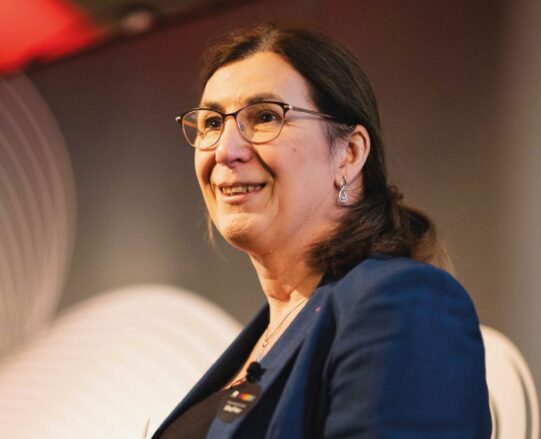
Emma Cusdin
Human Dignity Trust Trustee
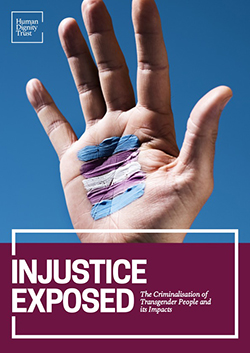
For more on the criminalisation of trans and gender diverse people, read our report, Injustice Exposed: The Criminalisation of Transgender People and Its Impacts, which examines the history, scope and nature of laws around the world that criminalise transgender and gender-diverse people and listen to our podcast from the launch.