
Morocco
Morocco criminalises same-sex sexual activity between men and between women. Sentences include a maximum penalty of three years’ imprisonment and a fine.
Last updated: 26 June 2026
Same-sex sexual activity is prohibited under the Penal Code 1966, which criminalises ‘acts of homosexuality’ and ‘public indecency’. These provisions carry a maximum penalty of three years’ imprisonment and a fine. Both men and women are criminalised under the law.
Algerian law has its origins in French law, having been a French colony until independence in 1962, though Islamic law is also influential. The 1966 Penal Code, enacted shortly after independence, remains in force today and is the principal criminal law of Algeria.
There is some evidence of the law being enforced in recent years, with LGBT people being subject to arrest and conviction, including a high-profile incident in 2020 in which 44 people were convicted for attending a same-sex marriage. There have been consistent reports of discrimination and violence being committed against LGBT people in recent years, including assaults, the denial of basic rights and services, and even murder.
The US Department of State report for Algeria stated the vague wording of the laws permitted sweeping accusations that resulted in multiple arrests, although there were no reported prosecutions during the year. This is similar to other reports by the US Department of State in recent years. Judges were reported to give harsher sentences to LGBT people for offences such as commercial sex, public indecency, or “associating with bad characters”.
In September, the Judicial Police of the Security State Department of Ain Temouchent arrested a man, “M.H.”, for allegedly promoting homosexuality on the Internet. The Public Prosecutor at Ain Temouchent Court convicted him to 18 months in prison and a fine of 10,000 Algerian Dinar.
ILGA World’s Identities Under Arrest report noted a case in April in which seven people were placed in temporary detention following the posting of a video online in which two men were allegedly engaged in same-sex activity. The defendants were charged with homosexuality. The outcome of the case is not known.
The US Department of State report on Algeria stated that in February, two men were arrested for ‘acts of homosexuality’ after sharing images of their wedding ceremony on social media.
The same report documents an incident of mass arrest of 44 people who allegedly attended a same-sex marriage in July. The 44 people were convicted under Algeria’s public indecency laws in September, with two men being sentenced to two years’ imprisonment and a fine, while the others each received a one-year suspended sentence.
The US Department of State report on Algeria states that there were multiple arrests for same-sex sexual relations but no known prosecutions during the year.
In May, a Canadian Refugee Board report on the treatment of sexual minorities in Algeria quotes a local news source which states that two gay men were detained for “indecent behaviour and incitement to immorality”. It similarly cites a 2010 report from Algeria, which claims an imam caught having “homosexual relations” in his mosque, was sentenced to two years imprisonment.
Freedom House’s Freedom in the World report noted that many LGBT people had fled the country due to discrimination and violence, including mistreatment at the hands of police, healthcare providers, and employers.
The US Department of State report noted that LGBT people were not covered by anti-discrimination law, and they faced discrimination in healthcare and employment. Police did not act to prevent discrimination, and were involved in harassing LGBT people. LGBT men were targeted more often than women, but women also faced gender-based discrimination.
In August, the Audiovisual Regulatory Authority suspended all programmes on Salam TV channel for a period of 20 days after broadcasting a movie scene of same-sex marriage. The channel’s Director General publicly apologised for his misjudgment.
Also in August, the Ministry of Culture and Arts ordered all cinemas in the country to stop showing the film Barbie one month after it began screening, calling it a threat to morality.
In February, a student was killed in his dorm and reports suggest the attack was motivated by his sexual orientation, as the words “he is gay” were allegedly written on the wall in his blood. Hundreds of students protested against the attack, however the perpetrators have not been caught.
Algerian LGBT activists have reported incidents of arbitrary detention and physical and sexual abuse by police officers of LGBT people.
Morocco criminalises same-sex sexual activity between men and between women. Sentences include a maximum penalty of three years’ imprisonment and a fine.
Tunisia criminalises same-sex sexual activity between men and between women. Sentences include a maximum penalty of three years’ imprisonment.
Libya criminalises same-sex sexual activity between men and between women. Sentences include a maximum penalty of five years’ imprisonment.
The country profiles on the Human Dignity Trust’s website are developed through a combination of in-house expertise and research, including monitoring media reports; sourcing reports from partners and stakeholders; and reviewing reports from governments and other human rights organisations.
We go to great lengths to ensure that, to the best of our knowledge, the information provided on our website is correct and up to date. If you believe that any information on our website is inaccurate, you may bring this to our attention by e-mailing [email protected].
Information on this website is provided for general use only and should not be relied on as a definitive position on the law as it applies at any given time. No liability can be accepted for any use of the information in this website and/or links from it.
an Algerian organisation working to support and protect LGBT people through advocacy and research.
an Algerian organisation of young LGBT people working to overturn discriminatory laws and educate society on LGBT issues.
an Algerian organisation working towards the decriminalisation of same-sex sexual activity.
Over 60 countries still criminalise LGBT people. Together, we can bring this number down. A donation today will help continue our vital support for LGBT people and governments seeking to change laws around the world.
Donate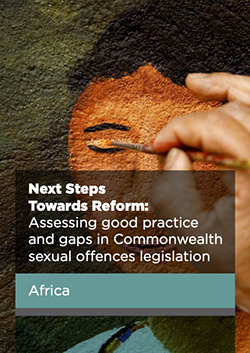
This report examines the status of sexual offences legislation in Commonwealth Africa, assessing good practice and identifying where there are gaps in protection, with a particular focus on women, children, LGBT+ people and people with disability.
Peak medical body in Tunisia calls for doctors to cease conducting degrading, discriminatory, and unscientific “testing” for evidence of homosexual conduct.
The Trust will provide technical legal & communications assistance to Commonwealth governments
Join our newsletter to receive regular updates about decriminalisation efforts around the world, including breaking news on key legal cases, hot off the press reports, invitations to events and messages from our Chief Executive.