
On 27 March, Senegal’s President, Bassirou Diomaye Faye, signed new legislation that enhances the penalties for consensual same-sex intimacy, doubling the prison sentence from five to ten years and increasing the maximum fine six-fold.
The legislation also provides for new offences of the ‘glorification’ of unnatural acts and ‘financing or support’ for those promoting or glorifying homosexuality, bisexuality, transsexuality, or any other similar practice – which carry a sentence of between three and seven years.
The new law was published in Senegal’s Official Journal on 30 March, with immediate effect. Presidential assent for the bill followed an overwhelming majority vote for the legislation in the country’s National Assembly on 11 March.
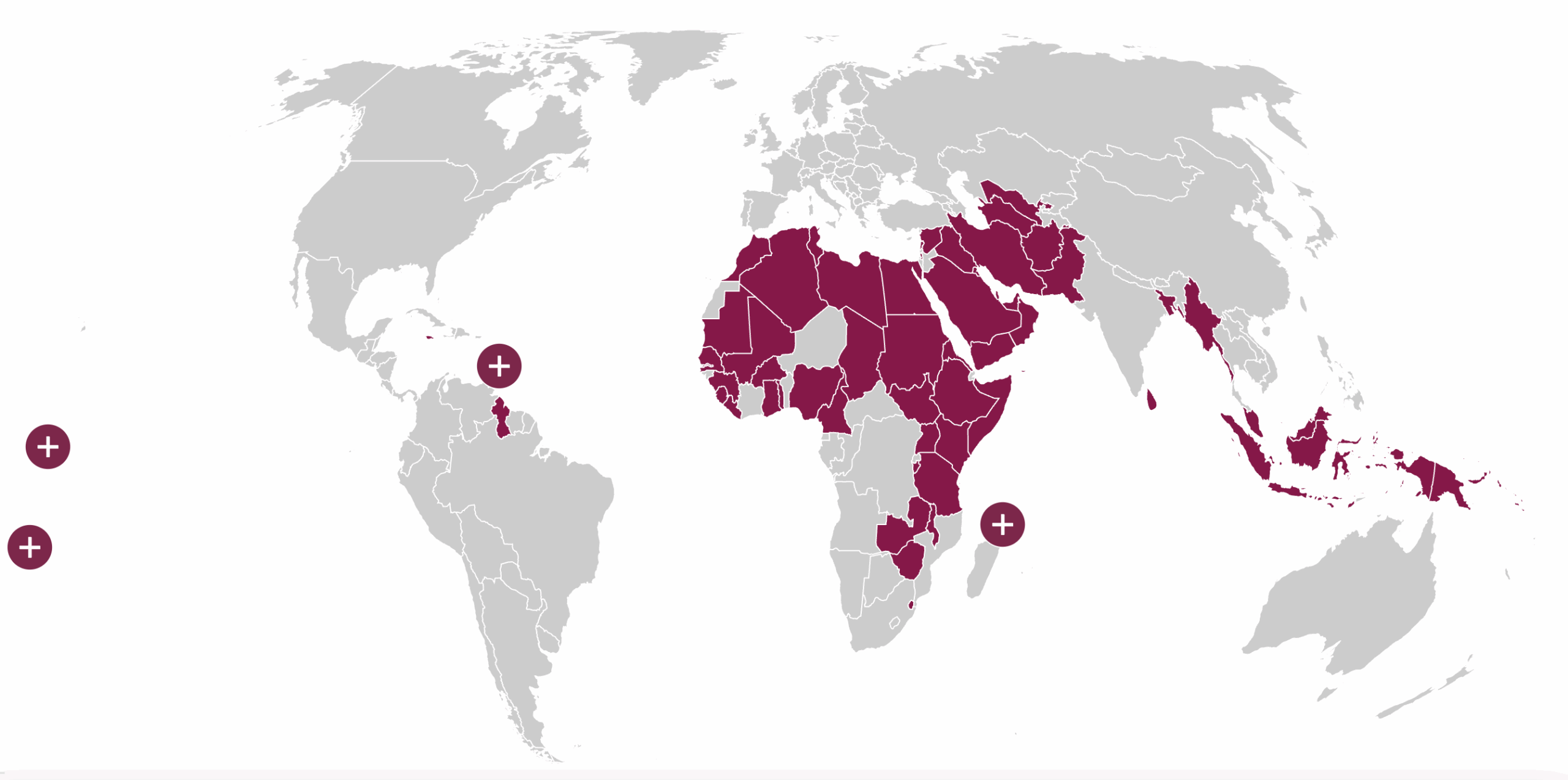
Consensual same-sex intimacy has been outlawed in Senegal for almost 60 years. Under Article 319 of the Penal Code 1965, ‘unnatural acts’ between people of the same sex carried a penalty of up to five years’ imprisonment and a fine. Both men and women are criminalised under Article 319. There is substantial evidence of increased enforcement of this provision in recent months, even before the legislative changes were enacted, through several high-profile mass arrests.
In enacting a new law that doubles the sentence for private, consensual same-sex intimacy from five to ten years, and increases the maximum fine six-fold, Senegal’s President has acted in violation not only of the country’s constitution, but of its binding obligations under the African Charter on Human and Peoples’ Rights and international human rights instruments. These regressive legal changes will leave LGBT+ Senegalese people even more vulnerable to discrimination, exploitation and violence.
Notes
- This statement is an update to reflect the new law coming in to force on 30 March, from an original version posted on 23 March