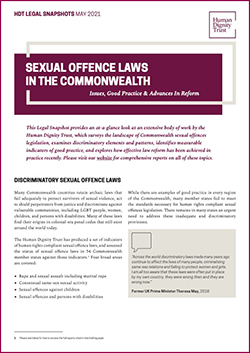
On Commonwealth Day 2026, international legal experts at the Human Dignity Trust are highlighting that 29 Commonwealth countries retain discriminatory legislation that criminalises lesbian, gay, bisexual and transgender (LGBT) people.
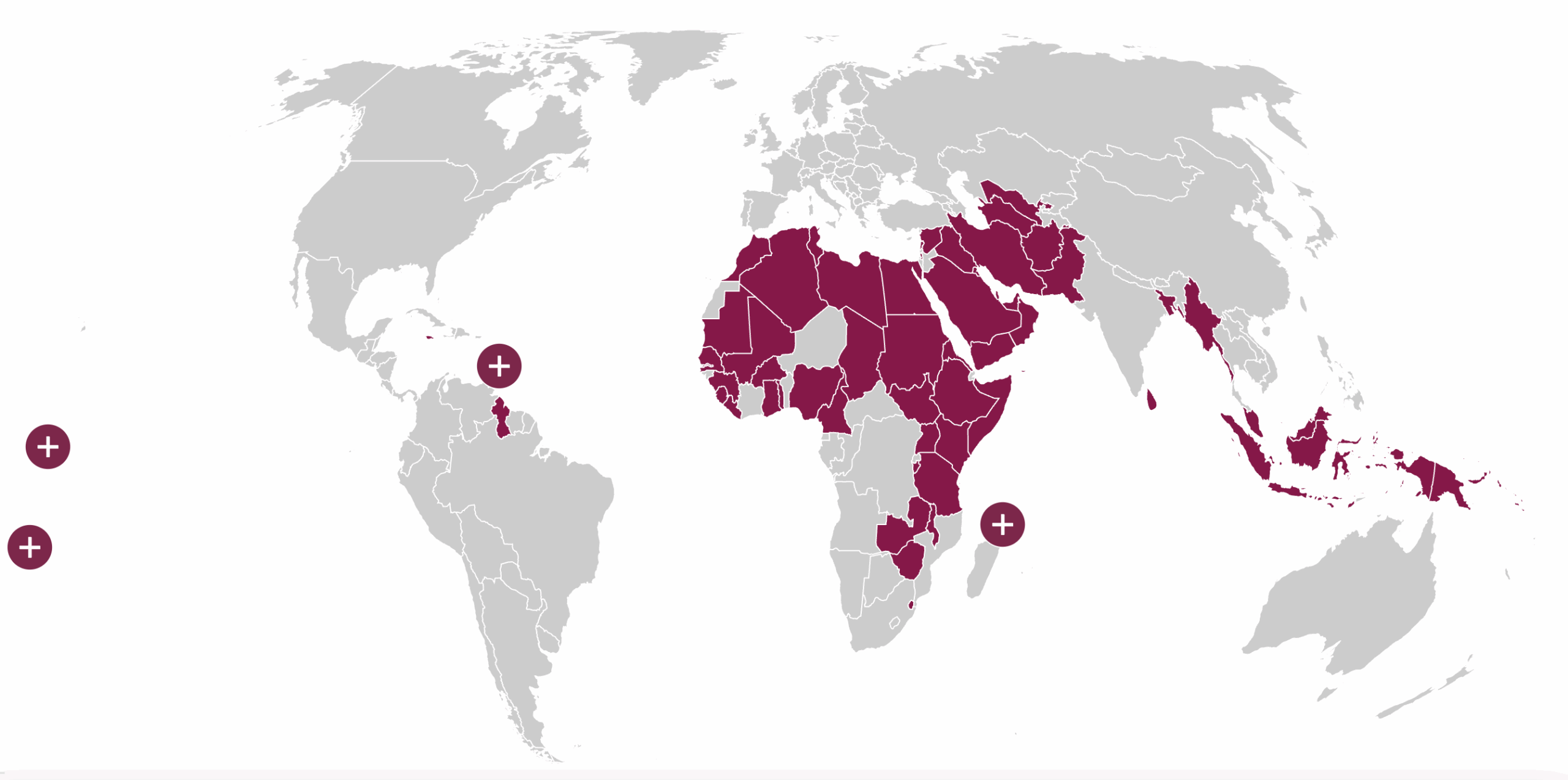
Over half of Commonwealth member states criminalise consensual same-sex intimacy. Commonwealth governments need to accelerate action to eradicate these laws, which expose LGBT people to violence, stigma and discrimination, and restrict their access to public health.
Rosanna Flamer-Caldera, a Sri Lankan activist who successfully brought a case at the UN confirming that these laws violate international law, said, ‘Across the world, LGBT people live in crisis, and especially so during this period, when marginalised communities are being targeted by hateful right-wing rhetoric. In the Commonwealth, there are still so many countries that criminalise consenting same-sex relationships, including my own country, Sri Lanka. LGBT people contribute so much to our countries, yet we are made to feel like worthless, second-class citizens because of outdated legislation imposed on us in the past. I urge the Commonwealth of Nations to remove these archaic laws from the books without delay.’
The 2026 Commonwealth Day theme is ‘Unlocking opportunities together for a prosperous Commonwealth.’ Yet despite this year’s pledge, by upholding laws that devalue the lives of LGBT people, Commonwealth countries are failing to unlock the opportunities and talent of key individuals who might otherwise contribute considerably to society.
Laws criminalising same-sex intimacy in the Commonwealth were largely spread during the colonial period, as Britain exported its laws to new regions. Unlike the other European powers that did not criminalise same-sex intimacy, Britain was prolific in spreading provisions criminalising same-sex sexual activity to its colonies, the majority of whom are now members of the Commonwealth.
Sixty-five countries globally criminalise LGBT people, with over half of the Commonwealth’s 56 member states being among them. Additionally, in certain criminalising Commonwealth jurisdictions, such as Ghana, Nigeria and Uganda, anti-LGBT criminal legislation is being expanded.
‘This year’s Commonwealth Day theme is a stark reminder that unlocking opportunities for all will require an end to state-sanctioned discrimination against a majority of the Commonwealth’s LGBT citizens,’ added Téa Braun.
Notes to editors
Learn more about the criminalisation of same-sex intimacy globally through our Map of Jurisdictions that Criminalise LGBT People.
The Human Dignity Trust works with LGBT activists and lawyers around the world to defend human rights in countries where private, consensual, same-sex sexual activity is criminalised. We provide free technical legal assistance to local organisations and lawyers that are challenging laws that persecute people on the basis of their sexual orientation and/or gender identity.
For more information and to arrange interviews contact:
James Aldworth, Communications Manager, Human Dignity Trust
T: +44 (0)7394 805140