
Sudan
Sudan criminalises same-sex sexual activity between men and between women. Sentences include a maximum penalty of life imprisonment.
Last updated: 6 January 2026
Same-sex sexual activity is prohibited under the Penal Code 2008, which criminalises acts of ‘carnal knowledge against the order of nature’ and ‘gross indecency’. These provisions carry a maximum penalty of fourteen years’ imprisonment and a fine. Only men are criminalised under this law. In addition to potentially being captured by laws that criminalise same-sex activity, trans people may also face prosecution under a ‘vagabond’ law which criminalises a ‘male person dressing as a woman’, with a maximum penalty of three months’ imprisonment and a fine.
The law was inherited from the British during the colonial period, in which the English criminal law was imposed upon Sudan. South Sudan retained the provision upon its independence from Sudan in 2011 and continues to criminalise same-sex sexual activity today.
There is little evidence of the law being enforced in recent years, however arbitrary arrests and detention have been reported. There have been some reports of discrimination and violence being committed against LGBT people in South Sudan in recent years, however the lack of reporting is likely due to the absence of LGBT civil society in the country.
In June, parliamentary spokesperson John Agany told Reuters that an anti-LGBT bill similar in content to the Uganda Anti-Homosexuality Act, 2023, was being drafted and would be put to vote ”very soon”.
The US Department of State reported that while there is no official enforcement of the law, security forces routinely harass, and sometimes arrest, detain, beat and torture LGBT persons. This is consistent with findings in recent iterations of this report.
The US Department of State reported that there was at least one extrajudicial killing during the year.
In April, the Executive Director for Access for All, a community-based organisation which was closed for promoting the rights of LGBT people, claimed that six members of the organisation were arrested in 2017 and held for three months.
In September, a government minister reportedly stated that security forces would be ordered to arrest LGBT people and detain them until they procreate.
In December, national security agents reportedly arrested, detained, and mistreated several people affiliated with the LGBT community.
According to Outright International’s country overview, LGBT organisations are not permitted to operate as they would be in violation of the law. As such, there were no LGBT organisations in operation as of 2023.
In May, media reported on conditions in the Gorom Refugee Settlement for displaced LGBT people, which include “daily attacks, lack of police assistance, death threats, stoning, abuses, discrimination, bullying, denial of medical care, and the inability for their children to access education. Many are also deprived of proper shelter, leading to health risks such as pneumonia”.
Freedom House reports that LGBT people face widespread discrimination and social stigma, including harassment and abuse by security forces.
The US Department of State reported that state actors incited harassment and physical abuse of LGBT people, including posting public flyers in resettlement camps seeking their location. Most openly LGBT people fled the country due to hostile government rhetoric. Anti-LGBT sentiment was pervasive across society, and there was no official attempt to investigate it. Activities of NGOs were restricted.
The US Department of State reported that an LGBT community group was identified by police, its bank accounts frozen, and its leaders arrested. They were eventually released and fled the country.
In April, it was reported that an LGBT activist fled South Sudan after facing threats from the country’s national security operatives.
A report by the Swedish International Development Cooperation Agency found that societal discrimination against LGBT people is widespread. It noted that President Salva Kiir Mayardit asserted in 2010 that no gay people existed in South Sudan, and that homosexuality should be condemned by everyone.
Sudan criminalises same-sex sexual activity between men and between women. Sentences include a maximum penalty of life imprisonment.
Somalia criminalises same-sex sexual activity between men and between women. Sentences include a maximum penalty of death.
Ethiopia criminalises same-sex sexual activity between men and between women. Sentences include a maximum penalty of one year imprisonment.
The country profiles on the Human Dignity Trust’s website are developed through a combination of in-house expertise and research, including monitoring media reports; sourcing reports from partners and stakeholders; and reviewing reports from governments and other human rights organisations.
We go to great lengths to ensure that, to the best of our knowledge, the information provided on our website is correct and up to date. If you believe that any information on our website is inaccurate, you may bring this to our attention by e-mailing [email protected].
Information on this website is provided for general use only and should not be relied on as a definitive position on the law as it applies at any given time. No liability can be accepted for any use of the information in this website and/or links from it.
Over 60 countries still criminalise LGBT people. Together, we can bring this number down. A donation today will help continue our vital support for LGBT people and governments seeking to change laws around the world.
Donate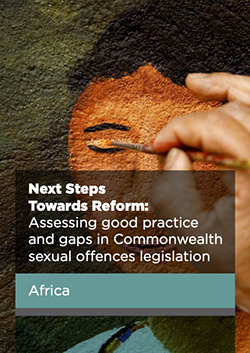
This report examines the status of sexual offences legislation in Commonwealth Africa, assessing good practice and identifying where there are gaps in protection, with a particular focus on women, children, LGBT+ people and people with disability.
Urges countries to open borders and accept refugees and asylum seekers
Peak medical body in Tunisia calls for doctors to cease conducting degrading, discriminatory, and unscientific “testing” for evidence of homosexual conduct.
Join our newsletter to receive regular updates about decriminalisation efforts around the world, including breaking news on key legal cases, hot off the press reports, invitations to events and messages from our Chief Executive.