
Mali
Mali criminalises same-sex sexual activity between men and between women. LGBT people in Mali are regularly subjected to discrimination and violence.
Last updated: 1 October 2026
*This is a provisional profile, pending receipt of a copy of the 2026 Penal Code. It will be subject to updates.*
In June 2026, it was widely reported in the press that a new Penal Code had been introduced in Niger in February, which criminalises same-sex sexual activity, ‘LGBTQIA+ practices’, same-sex marriage, involvement in organisations ‘for homosexuals or LGBTQIA+’, and changes to ‘sex assigned at birth’. Both men and women are criminalised under these laws.
Although the text of the 2026 Penal Code is not yet publicly available, according to news reports, citing an official source, the following activities are sanctioned:
Niger did not criminalise same-sex sexual activity when it gained independence from France in 1960, although it did have criminal laws which could be used to target members of the LGBT+ community. The criminalisation of same-sex sexual activity was initiated by then President Mohamed Bazoum in January 2023, who was ousted by a military junta on 26 July of the same year.
Article 25 of a Refoundation Charter brought into force by the junta to replace the Constitution of Niger states that ‘lesbian, gay, bisexual, transgender, queer, intersex, asexual (LGBTQIA+) practices or any other unnatural behaviour are prohibited and punished by law’. However, this was not accompanied by criminal laws operationalising its provisions until February 2026, when the new Penal Code was introduced.
There is some evidence of criminal laws against ‘public indecency’ being enforced against LGBT+ people in previous years. It is reported that the new laws are actively being enforced.
It is reported that, in February 2026, a new Penal Code which criminalises same-sex sexual activity and introduces broader offences criminalising LGBT+ people was brought into force by the ruling military junta. This marked the first introduction of criminalising provisions into Nigerien law.
Explaining the basis for the new law in mid-May, Justice Minister Alio Daouda stated that homosexuality ‘does not accord with the social and cultural values’ of Niger.
As part of its Universal Periodic Review (Fourth Cycle) before the UN Human Rights Council in May 2026, Niger received 6 recommendations to take measures to protect and respect the rights of its LGBT+ population, half of which specifically called for the decriminalisation of same-sex relations. Niger noted these recommendations, justifying its decision not to accept them by reference to ‘the need to take into consideration the cultural, social and religious sensitivities of [Nigerien] society’.
On 26 March, a Refoundation Charter came into force, replacing the Constitution of Niger (which was suspended in July 2023 following the coup). Article 25 of the Charter states that ‘lesbian, gay, bisexual, transgender, queer, intersex, asexual (LGBTQIA+) practices or any other unnatural behaviour are prohibited and punished by law’.
In January, it was reported that then President Mohamed Bazoum announced the drafting of a new Penal Code, which would severely punish homosexuality.
In July, a representative of the Ministry of Justice stated that he wished to ‘reassure the public that a whole section of the draft Penal Code was dedicated to the criminalisation [of homosexuality]’, which he called ‘immoral’ and ‘unnatural’.
Niger was subject to a coup on 26 July 2023, which halted work on the bill.
In December, following the acquittal of two lesbian women of charges relating to ‘lesbianism’ (see below), it was reported that a Member of Parliament had introduced a motion to formally criminalise consensual same-sex sexual activity. The MP cited a desire to safeguard the ‘rights and interest of the public’ against homosexuality as ‘a problem affecting our society’.
In June 2026, following the enactment of new laws criminalising same-sex sexual activity and introducing broader offences criminalising LGBT+ people, several media outlets reported a “large-scale crackdown” against LGBT+ persons.
In July, news reporting claimed that up to 40 people have been arrested under the new Penal Code and some 16 imprisoned, including ‘high ranking military officials’. A further news report claims that army barracks and college campuses are being targeted as places ‘where people of the same sex live together’.
In August, it was reported that two women who were charged with ‘public indecency’ under Articles 275 and 276 of the Penal Code 2003 had been acquitted by a Nigerien judge. The case was dismissed on the basis that the offence was not made out, as the impugned acts were private rather than public. It was further reported that the judge who released the couple was demoted as a result of this ruling. Upon appeal of the initial decision, prosecutors eventually secured jail terms against the two women.
In December, a Nigerien Court reportedly acquitted two lesbian women of charges of ‘lesbianism’ on the basis that ‘there was no clear legislation criminalising same-sex relationship’. However, the women were found guilty of ‘posting their nude videos on social media in which they were seen allegedly in a lesbian act’, although it is unclear under which provision they were convicted.
Afrobarometer reported that intolerance towards homosexuals attained 94% in Niger.
In March, it was reported that the authorities were refusing to progress requests for asylum from refugees fleeing criminalising jurisdictions, such as Cameroon.
In October, the government reportedly threatened ‘severe sanctions’ against advocates of LGBT+ rights, which it considered to be contrary Nigerien values.
The US Department of State’s 2023 Human Rights Report for Niger reported a societal pattern of discrimination against LGBT+ people, although it specified that ‘no official reports of violence were available’.
An Afrobarometer report from 2016 found that resistance to having a homosexual neighbour attained 91% in Niger.
Mali criminalises same-sex sexual activity between men and between women. LGBT people in Mali are regularly subjected to discrimination and violence.
Burkina Faso criminalises same-sex sexual activity between men and between women. Sentences include imprisonment between two and five years and a fine of two to ten million francs. LGBT people are regularly subjected to discrimination and violence.
Senegal criminalises same-sex sexual activity between men and between women. Sentences include a maximum penalty of ten years’ imprisonment and a fine.
The country profiles on the Human Dignity Trust’s website are developed through a combination of in-house expertise and research, including monitoring media reports; sourcing reports from partners and stakeholders; and reviewing reports from governments and other human rights organisations.
We go to great lengths to ensure that, to the best of our knowledge, the information provided on our website is correct and up to date. If you believe that any information on our website is inaccurate, you may bring this to our attention by e-mailing [email protected].
Information on this website is provided for general use only and should not be relied on as a definitive position on the law as it applies at any given time. No liability can be accepted for any use of the information in this website and/or links from it.
Over 60 countries still criminalise LGBT people. Together, we can bring this number down. A donation today will help continue our vital support for LGBT people and governments seeking to change laws around the world.
Donate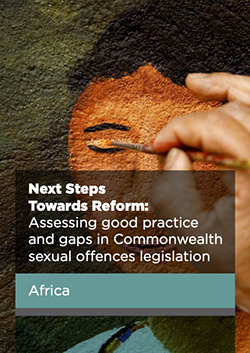
This report examines the status of sexual offences legislation in Commonwealth Africa, assessing good practice and identifying where there are gaps in protection, with a particular focus on women, children, LGBT+ people and people with disability.
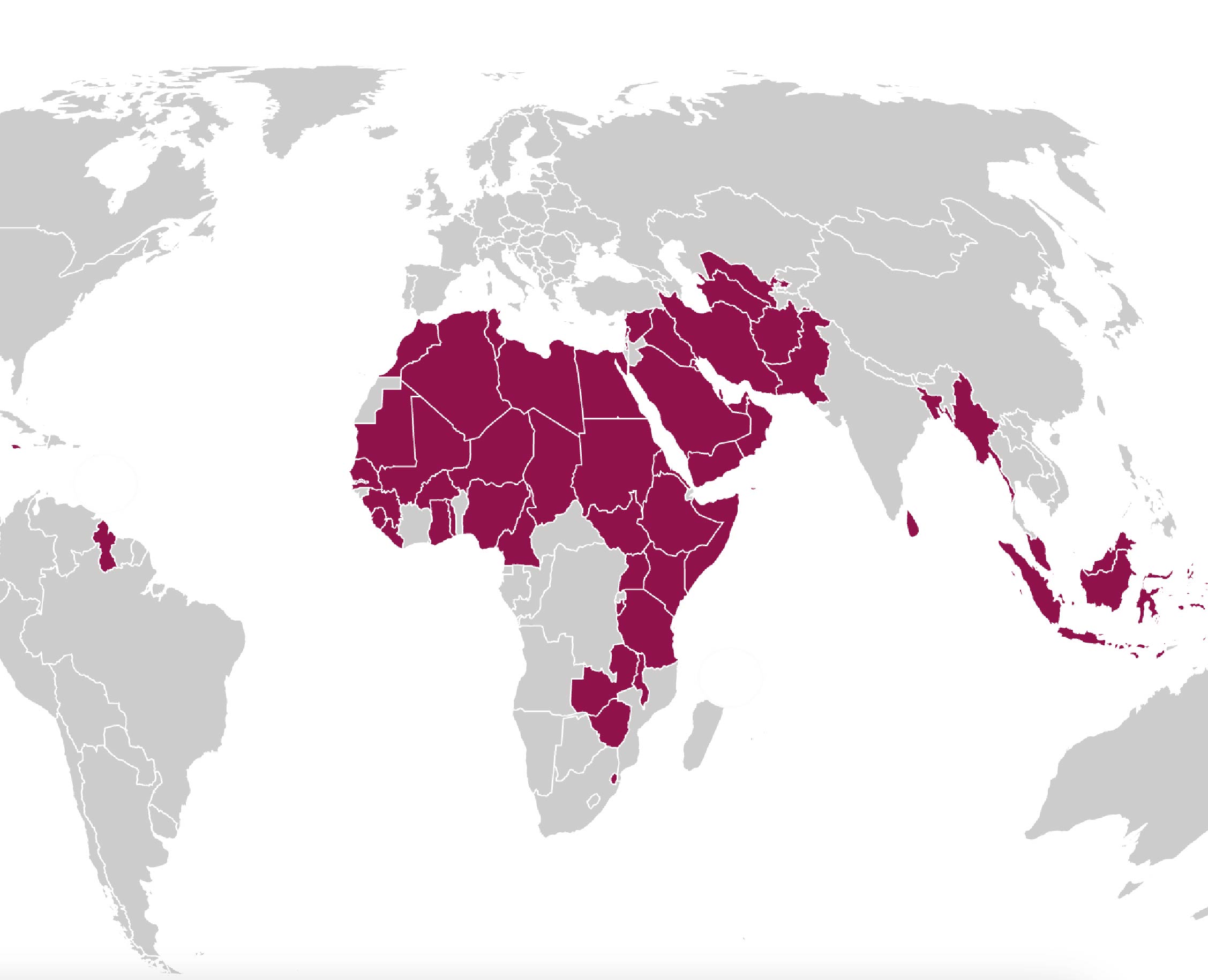
LGBT people are criminalised in 66 jurisdictions worldwide. Find out where with our map.
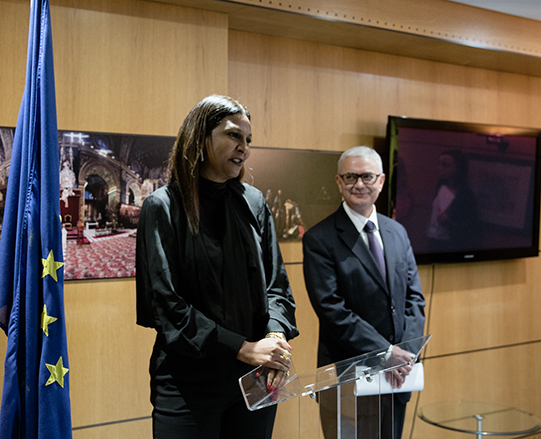
We provide technical assistance on request to governments looking to reform discriminatory sexual offence laws and to enact protective legislation.
Join our newsletter to receive regular updates about decriminalisation efforts around the world, including breaking news on key legal cases, hot off the press reports, invitations to events and messages from our Chief Executive.