Two years ago, I received a decision that changed my life.
When I challenged Namibia’s laws criminalising same-sex intimacy, I was confronting more than outdated legal provisions. I was taking on a system that had long told LGBT+ people we were undeserving of equal protection under the law.
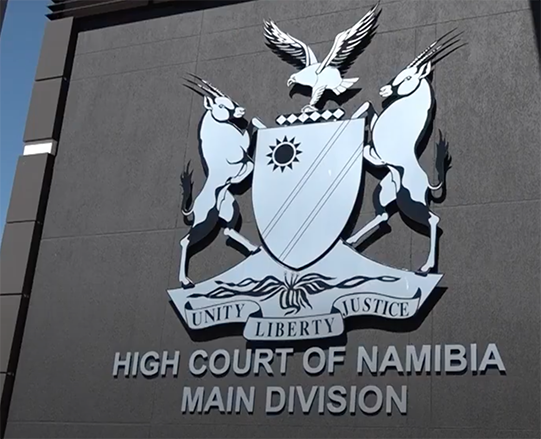
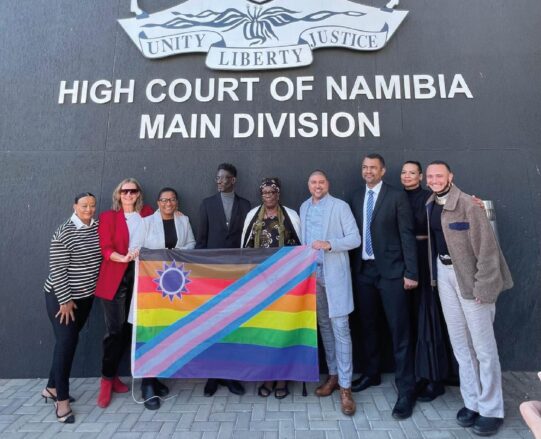
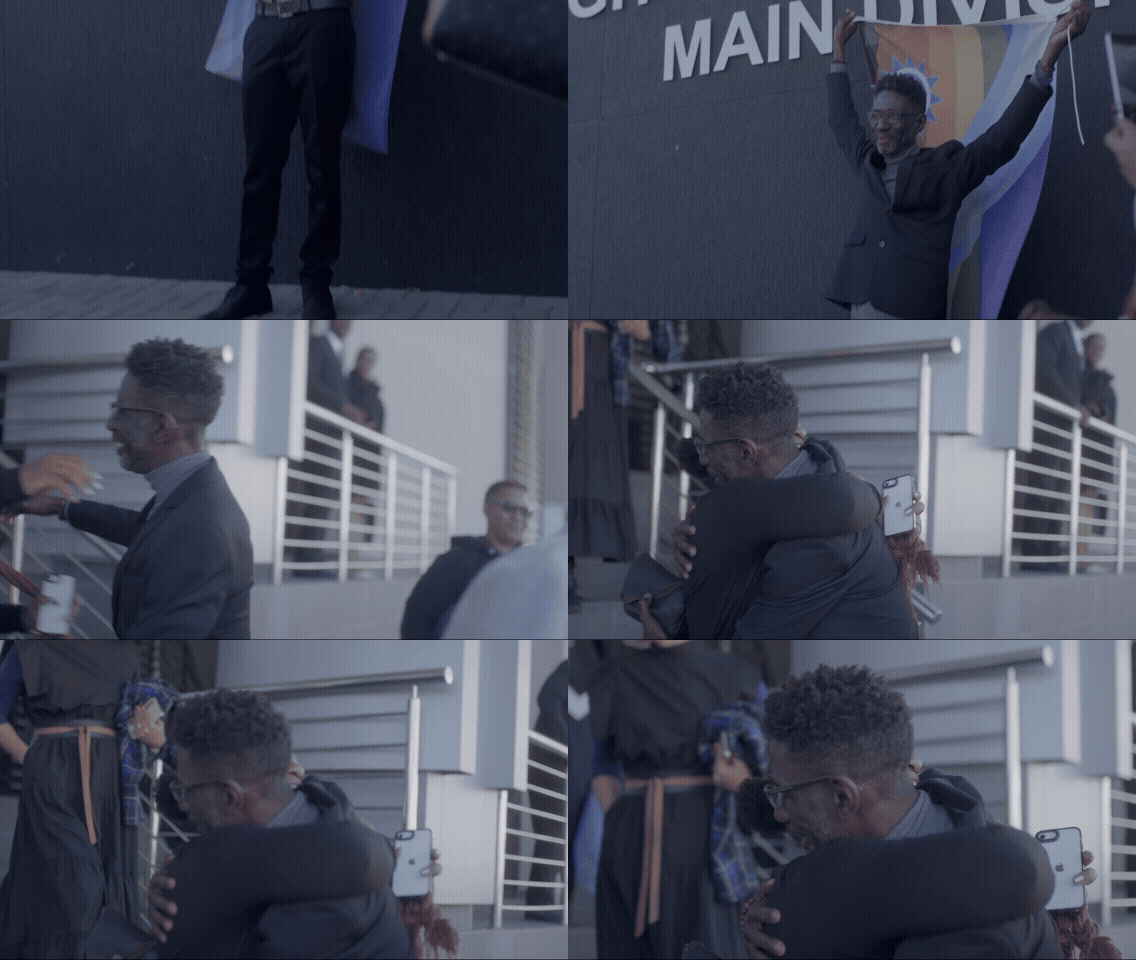
In June 2024, the High Court ruled in my favour. For the first time in my life, I was no longer living under laws in Namibia that treated me as a criminal because of who I am. It was a moment of hope, not only for me, but for countless LGBT+ Namibians who saw that change was possible.
That hope was tempered by the recent review of Namibia’s human rights record at the United Nations. While many UN states welcomed my decriminalisation judgment and urged the government to tackle discrimination, violence and legal barriers facing LGBT+ people, these concerns were largely dismissed.
Instead of engaging with recommendations on equality and protection, the Minister of Justice and Labour Relations deflected the discussions towards same-sex marriage and argued that human rights can be violated by unevidenced societal attitudes in Namibia. For many of us, it was a stark reminder that legal victories do not automatically translate into political commitment.
My journey to freedom is far from over. The government has appealed the High Court judgment, and the case is now heading to the Supreme Court. The future of this historic victory hangs in the balance. Everything we have fought for, and the progress that we have celebrated, could still be undone if the judgment is overturned.
But this case was never only about me. It was about ensuring that future generations of LGBT+ Namibians can live openly, safely, and with dignity in their own country.
And Namibia is not alone. Around the world, millions of LGBT+ people in 66 countries still live under laws that criminalise who they are and who they love. These laws affect every aspect of life, from safety and employment to healthcare, relationships and belonging.
As Pride is celebrated around the world, I am reflecting on both how far we have come and how much remains to be done. The progress we have made is real, but it is not yet secure. I remain hopeful, determined, and deeply grateful to everyone who has accompanied me.
Although we are still waiting for a hearing date before the Supreme Court, the next chapter of this journey is approaching. With support from people like you, the Human Dignity Trust can continue supporting activists like me to challenge unjust laws, defend fundamental rights, and secure victories that transform lives. This Pride season, every donation made before 15 July will be matched, doubling your impact in the fight for dignity, equality, and justice.
With love and solidarity,
Friedel Dausab